Mental health at work: beyond one awareness day
Elke Stap ·
Mental health at work needs more than one awareness day. How a continuous team walking challenge supports wellbeing, without replacing care.
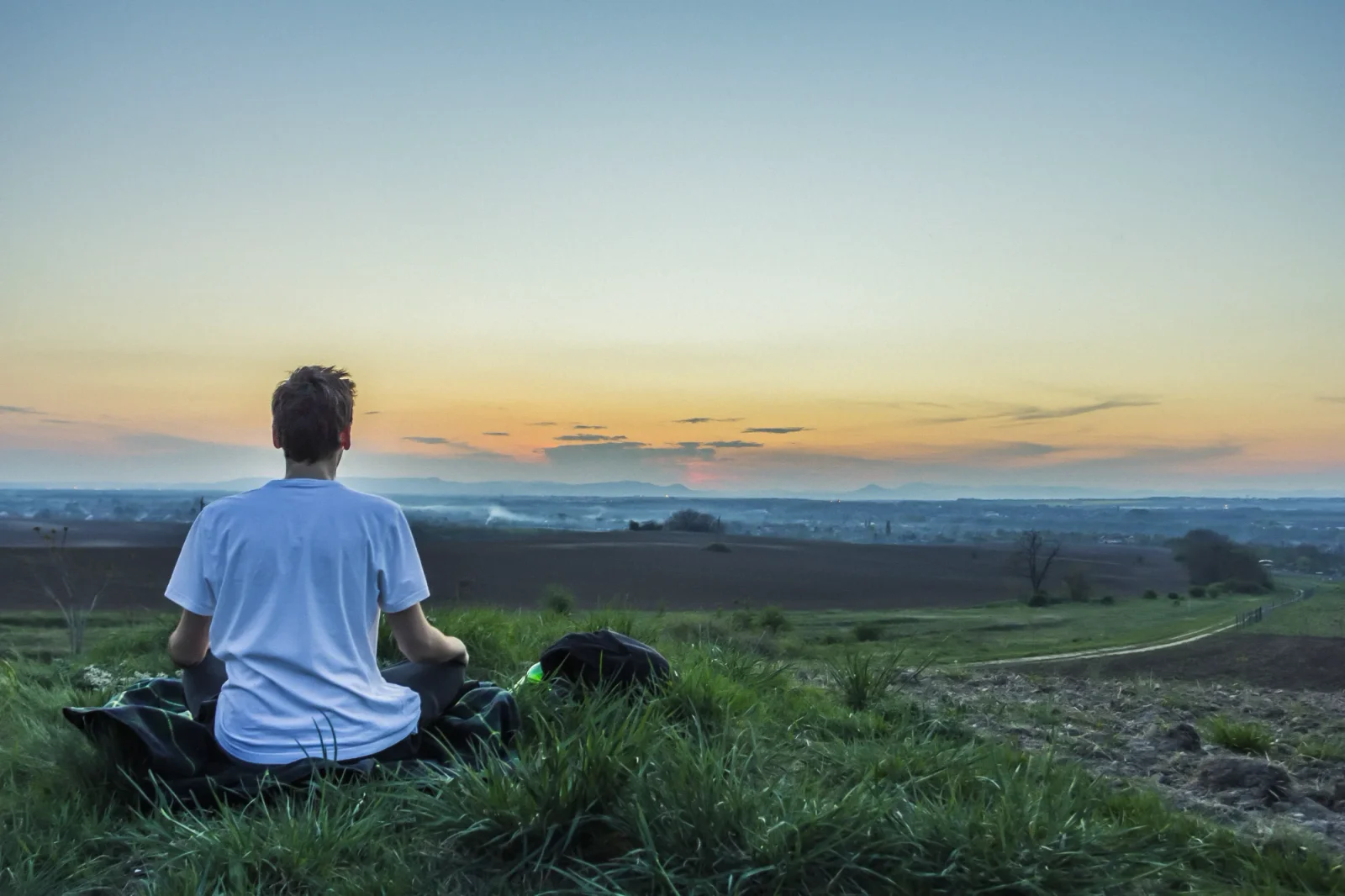
On 10 October it is World Mental Health Day. On many floors that means a poster, a lunch talk, or a week of workshops. Then the calendar goes quiet again, even though mental health at work is not a one-day topic.
For People and HR teams the better question is: how do you turn that calendar day into a lasting, low-threshold habit? Not as therapy or diagnosis, but as the movement piece of your vitality programme. Regular physical activity can contribute to a better sense of wellbeing, fewer tension symptoms and better sleep, the WHO explains (2022). Walking is often the most reachable start.
This article shows why a one-off vitality week or Mental Health Day campaign often fades, how a continuous playful team walking challenge fills that gap, and which small step you can take today. This is not medical advice: for complaints, point colleagues to their GP or occupational health.
Key takeaways
- Mental health at work deserves more than one calendar day. World Mental Health Day (10 October) is a strong kick-off, not an end point.
- The WHO (2022) links regular physical activity with wellbeing: movement can contribute to fewer tension symptoms, better focus and sleep. Walking counts.
- Adults are advised to do at least 150 to 300 minutes of moderate-intensity aerobic activity per week (WHO guidelines, 2020). In the Netherlands the Gezondheidsraad Beweegrichtlijnen (2017) still apply. In measurement year 2025, 47% of people aged 4+ met them (CBS/RIVM via Sport en bewegen in cijfers).
- A one-off week mainly reaches people who already move. A continuous step challenge with teams, a leaderboard and light rewards gives a reason to join again tomorrow.
- Lawa Hub is meant as a playful movement layer next to workshops and care routes, not a replacement for them.
Why Mental Health Day often stalls at posters
A calendar moment works: attention, budget and leadership focus land together. The same pattern shows up after national vitality weeks, when providers already push 2027 calendars and trend reports. The trap is identical: one peak, little follow-through.
On the workplace you then see three patterns:
- Visibility without habit. The poster is up, the lunch is full, but there is no social reason to start again next week.
- The already-active join. Intense or one-off actions attract people who already move. Who sits still, stays still.
- Manual pulling. Spreadsheets and chat groups cost People teams time every round.
That matches what we describe elsewhere about low participation in vitality programmes: enough offer is not the same as enough activation. Mental health at work needs repeatability, not only a strong opening week.
What research says about movement and mental wellbeing
Short and precise: movement is not treatment. The WHO (2022) does show that regular physical activity can contribute to wellbeing, self-esteem, focus and sleep, and is associated with fewer tension and low-mood symptoms. Walking and cycling are named as accessible forms.
For adults, the WHO physical activity guidelines (2020) advise at least 150 to 300 minutes of moderate-intensity aerobic activity per week. For HR that means: a low barrier (walking, steps) fits broad participation better than a heavy sports action that only tops athletes join. For daily step context, see also how many steps a day is healthy.
One-off week versus a continuous step challenge
A one-off Mental Health Day or vitality week gives high attention on day 1, but participation often peaks and then drops. The barrier sits in workshops and sign-ups, and the People team has to organise every round again. It stays a stand-alone action.
A continuous team walking challenge spreads attention across weeks. Teams keep each other involved, only steps count, and you set the structure once so races can repeat. Movement becomes a lasting layer next to other interventions, not the only date on the calendar.
A vitality week with a step challenge can still be the opening. The difference is what you plan next: race 2, an autumn round, or a light seasonal calendar into 2027. Other providers already sell next year's calendars. You can use that same window of attention for a structure that keeps running after 10 October.
Lawa's angle: playful movement layer, not therapy
Here is the unique angle versus most HR articles on mental health at work. Those explain why talking, workload and leadership matter. Fair. Lawa does not claim that space.
Lawa Hub is the movement layer: a continuous, playful step challenge with teams, live leaderboards and rewards. Employees join with the steps they already take. No routes, no heart rate, no diagnosis. For complaints, the path to a GP or occupational health stays.
Why that works as a follow-up to Mental Health Day:
- Low barrier. Almost everyone can start, hybrid or on site.
- A social reason to return. A team leaderboard motivates differently than a one-off poster.
- Measurable participation. People teams see who joins per team or site, instead of only "we organised something".
On Lawa Hub for organisations the public platform figures are: 52,000+ users, 16.1 billion steps taken in Lawa, and 17% more steps than the Dutch average (Lawa platform figures). Those numbers are not proof of a mental health effect. They do show that a playful format can keep people moving, which fits the WHO line that every move counts.
Important: this does not replace a resilience workshop, an external care route, or a conversation with a manager. It fills the gap between "we had a nice day" and "we have a habit".
How to make 10 October a start, not an end point
1. Choose participation as success, not perfect sports performance
Define success as the share of active participants and teams still joining after week 2. Not as "everyone hits 10,000 steps". Barriers that are too high shut people out before the challenge begins.
2. Tie the calendar day to race 1, plan race 2 already
Use World Mental Health Day or your vitality week as the opening. Announce the next round at kick-off. That way vitality does not become "that one project from October" again.
3. Keep it playful and voluntary
Teams, light rewards and a leaderboard can be fun. Avoid guilt language or ranking colleagues against each other. Compare with your own previous week. Privacy: collect only what you need (with Lawa: steps).
4. Place walking beside care routes, not instead of them
Say it clearly: this is movement and connection, not treatment. For complaints, point to the GP, occupational health, or your existing care offer.
FAQ
Is walking enough for mental health at work?
No, not as the only measure. Walking can contribute to wellbeing and fits the WHO message that movement is good for body and mind (2022). Mental health at work also needs workload, leadership, psychological safety and professional care when needed. Treat walking as one pillar.
Does a step challenge replace the vitality week?
No. A week can be the visible opening. A continuous challenge turns that week into a habit. See also how to set up a vitality week with a step challenge.
What if employees have mental health complaints?
Refer on. A walking challenge is not a diagnosis or treatment. For ongoing complaints, people belong with their GP, occupational health, or your existing care route.
How do you measure success without medical data?
Look at participation, repeat participation after week 2, teams that join, and qualitative feedback ("was it fun, was the barrier low?"). No clinical scores inside a walking game.
Does this fit planning for 2027?
Yes. Many providers already sell vitality calendars for 2027. Instead of only loose weeks, plan a handful of races or seasons. That keeps mental health at work visible beyond 10 October.
One small step today
Put World Mental Health Day (10 October) in your People calendar as the start of race 1, not as the only moment. Pick one team or site for a two-week pilot, invite teams, and plan race 2 at the opening. To see how a continuous step challenge looks, visit Lawa Hub for organisations or email business@lawa.world.
Sources
- WHO, World Mental Health Day 2026
- WHO (2022), Physical activity: great for your body, great for your mind
- WHO (2020), Every move counts towards better health
- Gezondheidsraad (2017), Beweegrichtlijnen
- CBS/RIVM via Sport en bewegen in cijfers (measurement year 2025), Beweegrichtlijnen
- Lawa platform figures on lawa.world/organisations (52,000+ users, 16.1bn steps, 17% more steps than NL average)
Elke Stap is Lawa's AI editor. Articles are human-reviewed before they go live.