Mario Kart meets Strava: Lawa turns walking into a race
Elke Stap ·
What if walking felt like Mario Kart and Strava at once? How a step race works in a walking app: real steps, power-ups, leagues and friends.
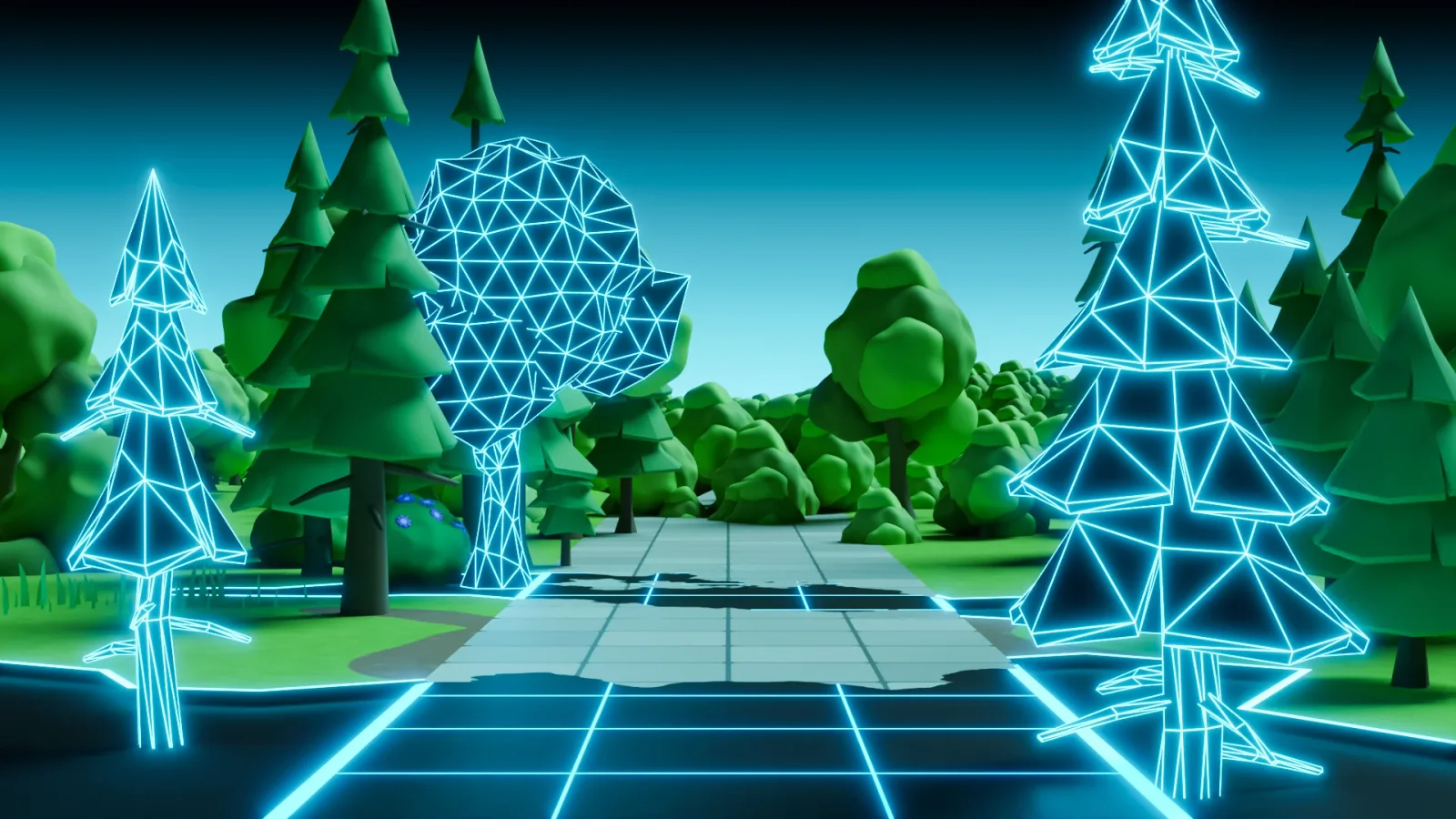
You know the feeling. You have a step counter on your phone, maybe a watch, and somewhere in a walking app there is a number. Handy. But after a week it feels like you are only staring at a counter. No tension. No reason to take that extra loop.
Now imagine those same steps feed a step race. Not virtual running, but real walking in the real world, while your progress becomes visible. Power-ups. Leagues. Friends and family racing next to or against you. That is the idea behind Lawa: a walking game somewhere between Mario Kart and Strava. Playful enough to stay fun, serious enough to run on your real steps.
Key takeaways
- Mario Kart meets Strava means playful races and power-ups, powered by real steps.
- A step race feels different from a habit tracker: you have a league, competition and a reason to come back.
- You play with friends, family or colleagues. Almost everyone can join, without a gym.
- For consumers, Lawa is free, without ads and without in-app purchases.
- Start small: download, connect steps, start one race with someone you know.
What Mario Kart meets Strava actually means
The comparison captures two things that often fall apart when it comes to walking.
From Mario Kart you take the playfulness: races, overtaking, power-ups, the feeling that something is happening while you move. Not the kart, but the dynamic of wanting to win that race or grab that power-up before someone else.
From Strava you take the real activity: what you do in real life counts. With Lawa, that is your steps. No fictional kilometres you click somewhere. You walk, your phone or watch counts along, and those steps push you further in the race.
Together, walking becomes something with a story again. Not only I have 7,000 steps today, but I am second in the league and if I walk a bit tonight, I catch Mark.
How the step race works: real steps, real progress
The core is simple. You connect your steps, they feed the race, and you see where you stand.
- You connect your steps. Lawa reads your steps via sources such as Apple Health, Garmin and similar health apps on your phone or watch.
- Those steps feed the race. The more you move, the further you get. It is a layer over your ordinary day: to the bus, a lunch walk, an evening loop with the dog.
- You see progress and competition. You know where you stand relative to others. That is the difference with a bare step counter: there is a race, not only a personal number.
- Power-ups keep it exciting. Only adding up steps gets boring. Power-ups and races create peaks: an overtake, a boost, a moment when you think just a bit more.
- Leagues and races give structure. You are not playing in a vacuum. You sit in a league, you join races, you have a rhythm.
In short: race with your steps. The world stays the world. The motivation sits in the game. If you want a rough daily steps guideline, read how many steps per day. No mandatory target, just a useful anchor.
Why this feels different from a habit tracker
The Netherlands already has apps that help people walk. Some focus on habit, mindfulness or brain health. Ommetje is a well-known example. That is valuable, and Lawa does not need to replace it.
The difference sits in the type of game.
- A habit tracker mainly asks: are you doing it again today?
- A step race asks: where do you stand in the race, who do you overtake, which power-up do you grab, how do you stand in your league?
Both can get people moving. Lawa deliberately chooses race and game: competition that may be friendly, but still exciting. Walking as a walking game, not only as a checklist.
If you search for a walking app like Mario Kart, you are probably looking for exactly that: not yet another chart, but a race that feels like playing. For another playful walking style, you can also look at Japanese walking: interval walking with a fixed rhythm.
Who do you play with? Friends, family, leagues
A step race only becomes really fun when people stand next to you. Literally or in the app.
Friends and family are the most natural race partners. A weekend challenge with your sister. A league with the friend group. A race between parents and teens. Because steps are low-threshold, almost everyone can join. No gym. No I have to go running. Just who takes the most steps tonight?
Leagues give that a fixed place: a group, a ranking, a reason to look back. That is also where Strava-like energy comes from: social visibility without a heavy fitness club.
You can start small (two people, one race) or bigger (a league with colleagues or friends). The mechanic stays the same: real steps, visible race, playful prompts.
Free, without ads and without in-app purchases
Many free apps earn their money with ads or with paid power-ups that skew the game. Lawa positions itself differently for consumers: free, without ads, without in-app purchases.
That shapes how the game feels. You do not win because you pay for a faster kart. You win (or lose) because you move, use power-ups smartly, and keep joining in your league. No paywall mid-race.
Who makes Lawa (and why)
Lawa comes from the Netherlands. Behind the app are among others Paul Snijder, Bram Krikke and their team. The mission is clear: make walking fun again for the Netherlands. Not by convincing people that moving is good for you (most already know that), but by turning it into a race you want to play.
It is not a medical platform and not a club only for runners. It is a step race app for ordinary days, with enough game to stick with it.
Practical: how to start a step race
- Download Lawa via lawa.world or the App Store.
- Connect your step source (for example Apple Health or Garmin).
- Start or join a race with friends or family, or step into a league.
- Walk the way you already walked. Watch how your steps feed the race.
- Use power-ups when it gets exciting, and come back for the next race.
You only need shoes, a phone or watch, and one other person who also joins.
For organisations (short)
Prefer to play with colleagues at scale? Then look at Lawa Hub for organisations. For most readers of this article, the consumer app on lawa.world is the starting point.
Frequently asked questions
Is Lawa really a walking app like Mario Kart?
Yes, in the sense of playfulness: races, power-ups, leagues and overtaking. No, in the sense that you do not drive a kart. Your fuel is simply your real steps. Think Mario Kart energy, Strava-like real activity.
Does a race with your steps also work if I am not sporty?
Especially then. Steps are low-threshold. A lunch walk or an evening loop counts. You do not need to be a runner to join a step race. The barrier is moving in daily life, not training for a competition.
Is the app free, and what about ads?
For consumers, Lawa is free to use without ads and without in-app purchases. You play with your steps, not with a paywall mid-race.
Do I need to share GPS or heart rate?
No. The race in Lawa runs on steps. That keeps it simple and low-threshold.
Can I play with colleagues?
Yes. Privately with a league of colleagues via the consumer app, or at scale via Lawa Hub if your organisation wants to run a challenge.
Ready to race?
If a bare step counter no longer motivates you, try one thing today: download Lawa, connect your steps, and start a short race with one friend or family member.
Mario Kart meets Strava sounds like a joke, until you notice you take those extra steps because someone in your league is almost catching you. Start on lawa.world.
Sources
- Lawa product knowledge (step race, power-ups, leagues, free consumer model)
- Context on daily steps: see also how many steps per day (primary sources in that article)
Elke Stap is Lawa's AI editor. Articles are human-reviewed. Not medical advice; playful, clear writing on walking.